Gmach Urzędów Niezespolonych
Officials, Nazis, communists and students
With the growing administrative needs of the city and the region, Katowice needed increasingly more office space. The new building was designed in the immediate vicinity of other important administrative buildings, adding to its status. The building was designed by Witold Kłębkowski, and the construction was carried out between 1935 and 1937. Upon its completion, the building came to house such administrative offices of: the Silesian Regional Authority, Demobilization Commissioner and the State Inspection Agency. The giant played its role for a long time since, upon the outbreak of WWII, it was renamed as the Gestapo Offices and a detention facility. Following the war, Communist party dignitaries and MO officers moved into the building and, as late as 1990, the building was transferred to the University of Silesia, and its Philological Faculty has since been based there.
Simplicity speaking
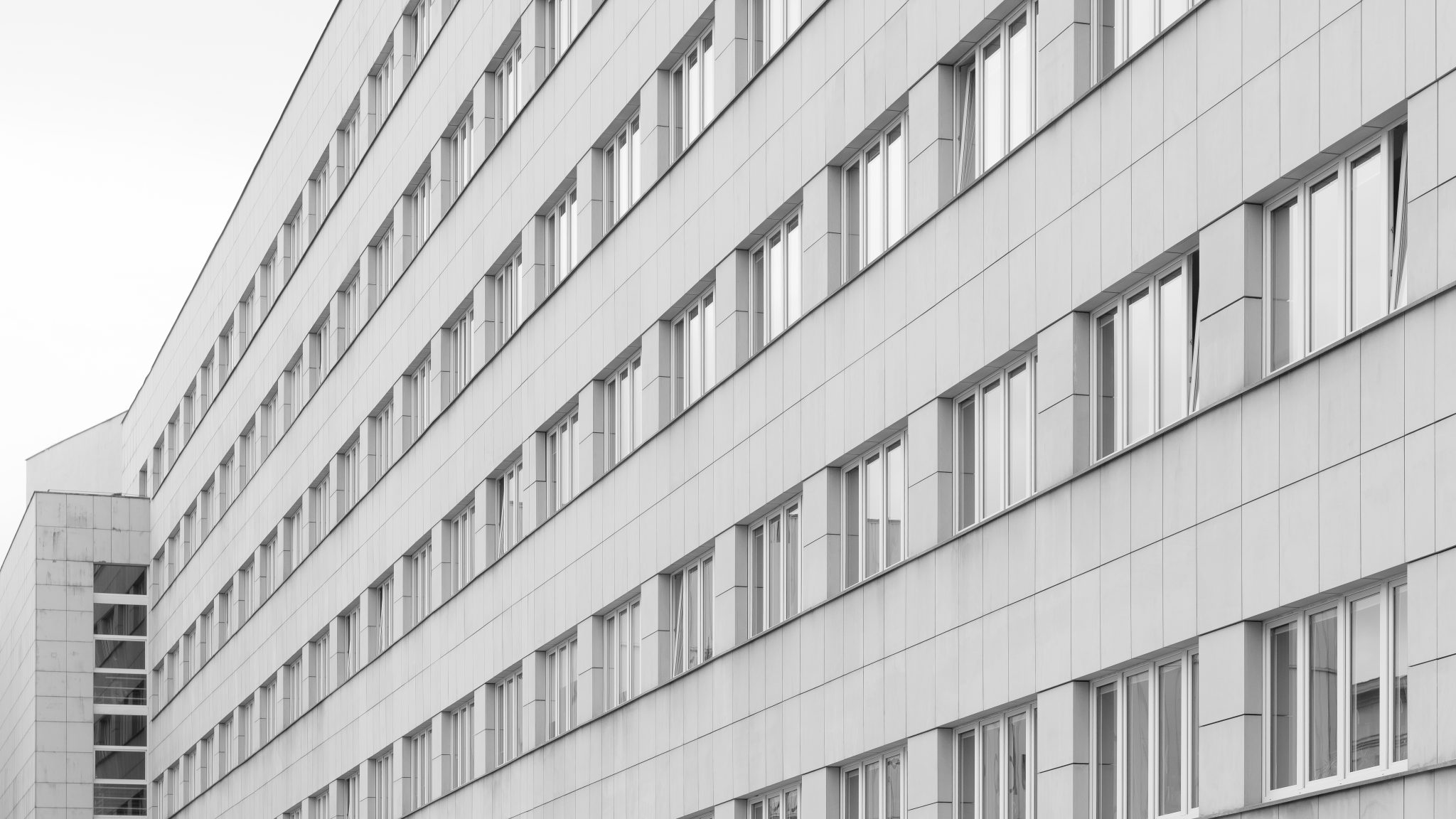
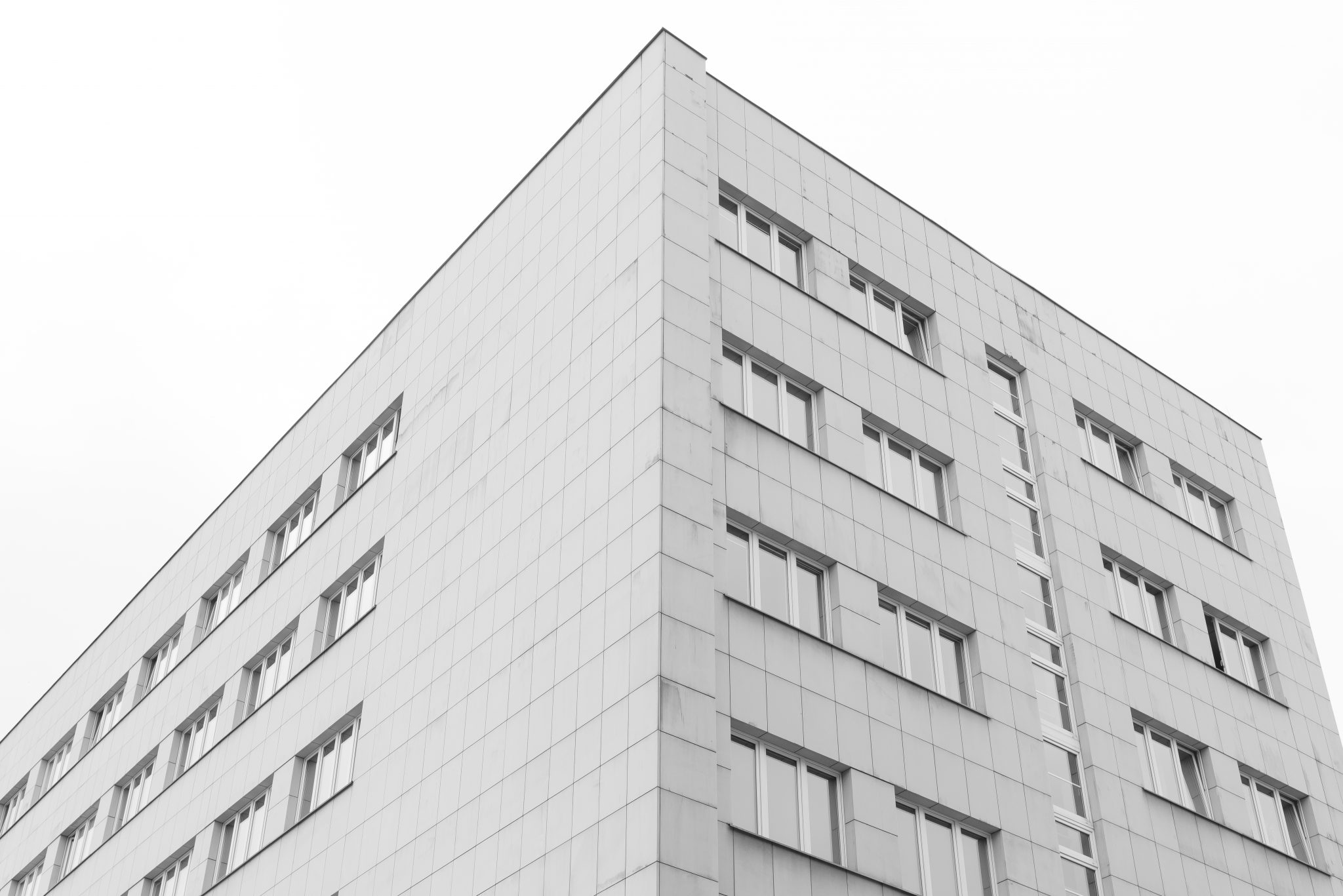
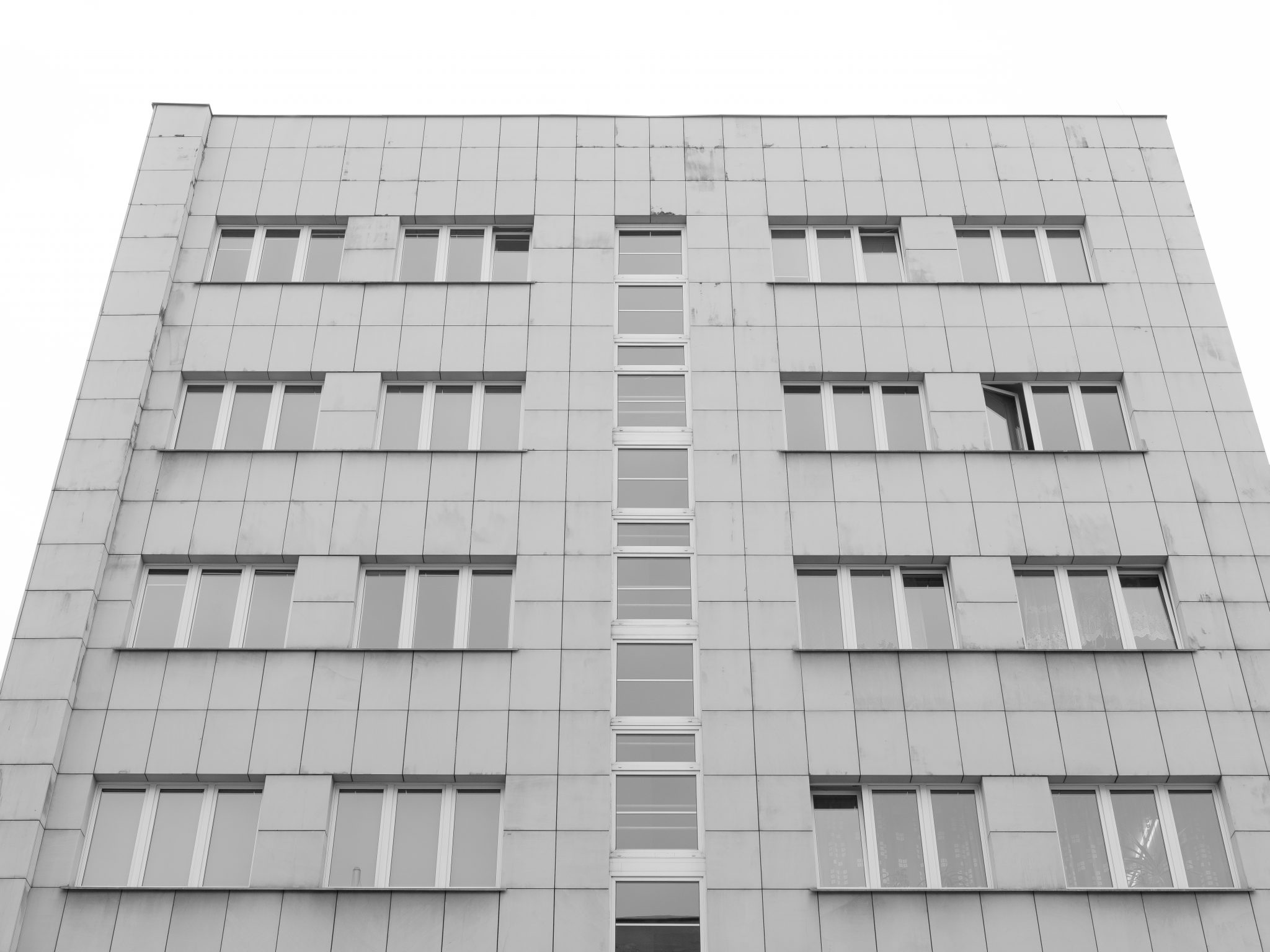
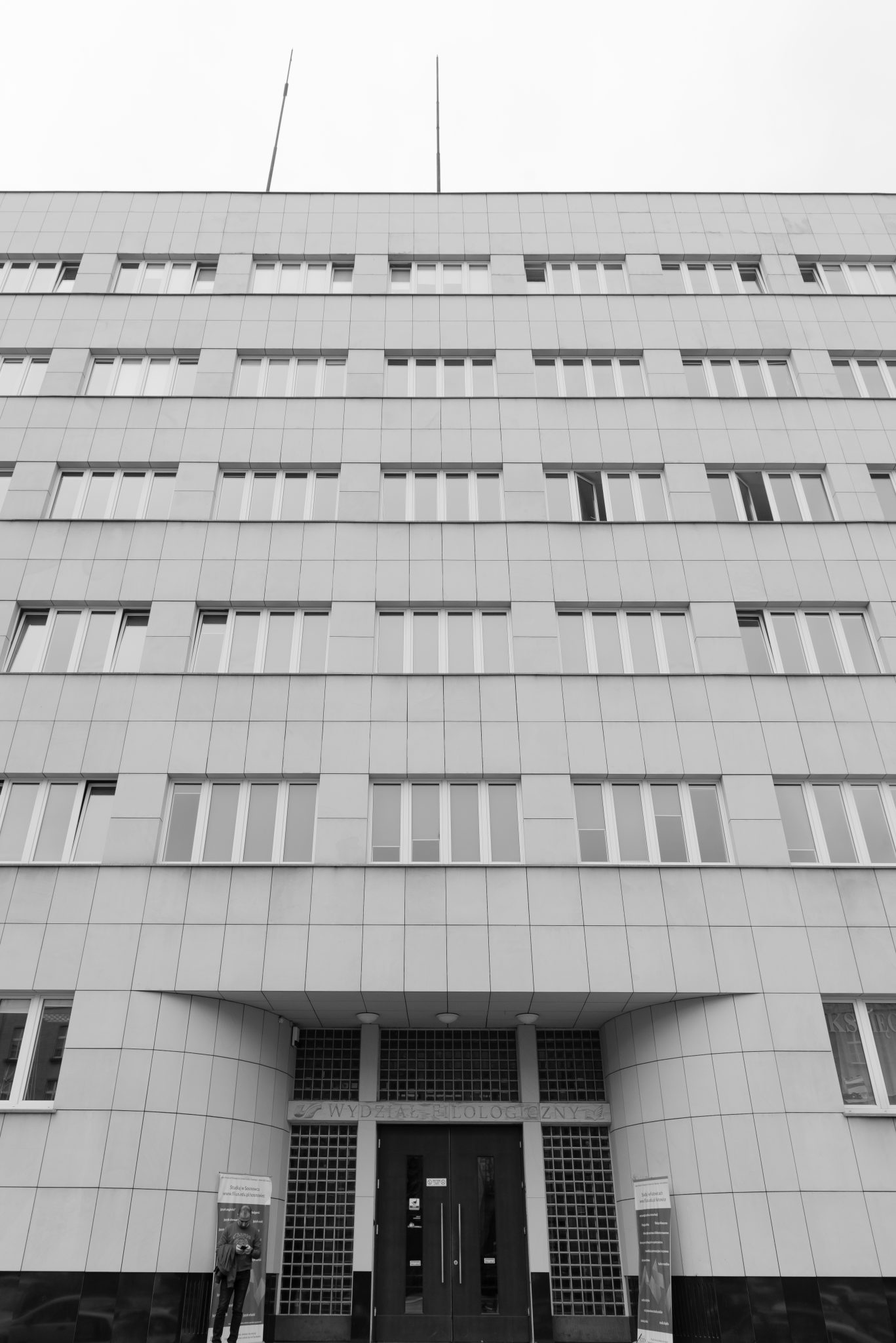
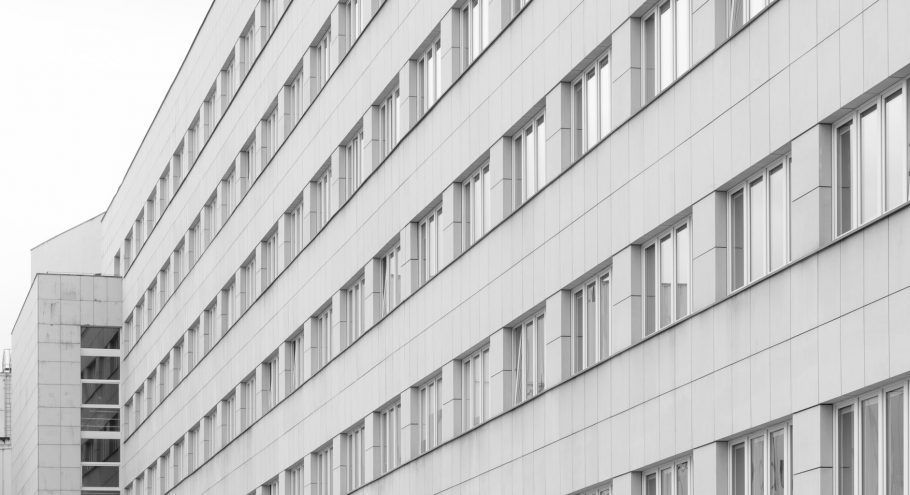
On the west side, the horizontal body adjoins Plac Sejmu Śląskiego. Wojciech Korfanty, with his back turned to the building in question, keeps a watchful eye on the square. As opposed to the building of the Regional Office in front of it, Gmach Urzędów Niezespolonych has a simple form. The ascetic elevation provides space for the equally aligned six rows of windows. The original design added some variety to the elevation with a relief of the Piast Eagle and fluting made by Stanisław Szukalski. The impressive decorative element, using over 30 tons of stone, lasted only until the occupation. The Nazis covered it with a swastika flag and then demolished it and replaced it with a carillon. The long cuboid with a flat roof and ribbon windows is yet another good example of functionalism in Katowice. The elevation of the building is made mostly of sandstone, giving the building its light colour. The contrastive lower band is intensely black due to the use of basalt. This play of colours is especially visible when you enter the building with the centrally positioned, massive door mounted within a rounded recess. Upon entry, the visitor will note the typically modernist railing.
Gallery: